Arriving at a trade show without a plan is the most costly mistake a company can make. Whether it's your first time participating or you've been a fixture on the Colombian trade show circuit for years, each event is a unique opportunity, and maximizing its potential depends almost entirely on what you do before setup begins.
At Triaxial, we see it every year. The booths that generate the most impact, the most leads, and the most conversions aren't necessarily the biggest or the most expensive. They're the ones that came with a clear plan.
What does planning a booth really mean?
Planning a trade show booth goes far beyond choosing colors or deciding whether or not to include a counter. It involves answering specific questions before opening any design files:
- What is the main objective of the stand? Generate leads, launch a product, strengthen your brand, or close sales at the event.
- Who is the audience that will be visiting you? Designing for B2B distributors is not the same as designing for the end consumer.
- How much space will you have available? The dimensions of the lot determine everything: circulation, service areas, storage, signage.
- What is the actual budget? Including design, production, transport, assembly, disassembly and additional materials.
- How many people are on the team at the fair? The number of people working at the stand defines the interior layout.
When these questions are answered before starting, the design process becomes much more agile, adjustments are fewer, and the results are better.
The real cost of not planning
Last-minute changes are the most expensive. Modifying a booth design once it's in production can double costs and compromise the quality of the final product. Changing materials, redoing graphics, or adjusting structures just days before the trade show creates stress, cost overruns, and, in many cases, a booth that doesn't reflect the brand's message.
Beyond the financial cost, there's an image cost. A makeshift booth conveys exactly that: improvisation. And in a competitive environment like Plaza Mayor Medellin or any other exhibition center in Colombia, visitors notice the difference.
When to start planning
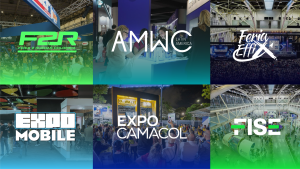
The general rule at Triaxial is simple: the sooner, the better. For large trade shows like Feria 2 Ruedas, Expohost, or major corporate events, we recommend starting the briefing and design process at least 6 weeks in advance. For smaller events, 3 weeks is sufficient to work comfortably.
This time allows for iterating the 3D design, making adjustments before going into production, coordinating logistics with the venue, and ensuring that all materials arrive in perfect condition for assembly.
How do we work at Triaxial?
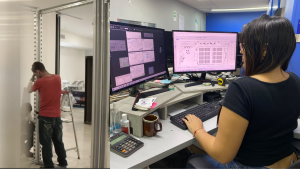
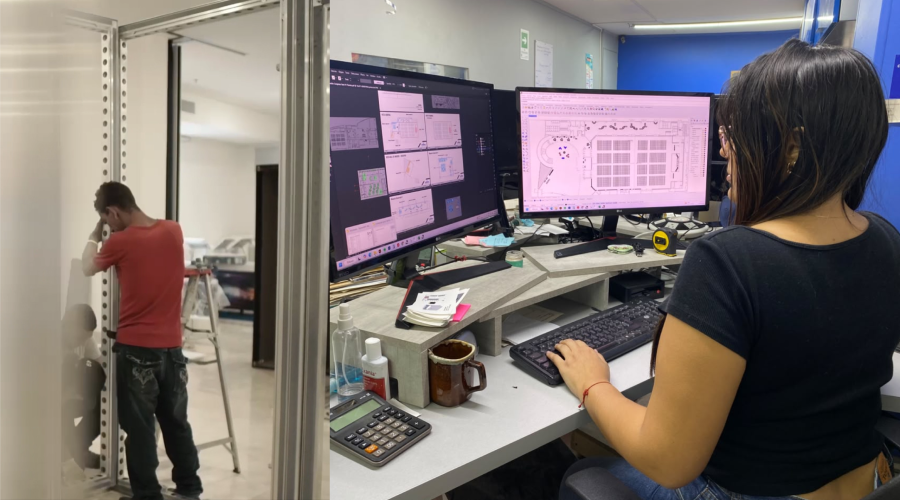
Our process begins with a briefing meeting where we thoroughly understand the brand's objectives and the event's characteristics. From there, we develop a 3D design proposal that allows you to visualize the entire stand before producing a single piece.
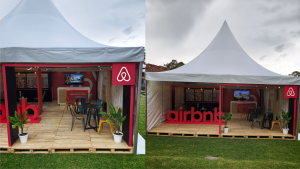
Once the design is approved, we manage the entire production in-house: structure, printing, lighting, signage, and decorative elements. On assembly day, our team arrives with everything ready and ensures the stand is set up exactly as designed, on time, and without any surprises.
Planning well isn't just a good practice. It's the difference between participating in a trade fair and truly making the most of it.